Workplace Violence Prevention in Los Angeles: What Every Employer Needs to Know
Everyday violence prevention and de-escalation training gives Los Angeles employees the skills to spot warning signs, calm tense situations, and respond safely before conflict turns violent.
Combined with active shooter prevention training and clear reporting policies, it lowers injury risk, supports California compliance, and builds a workplace where people feel secure.
At Get Safe, we work with Los Angeles employers who want their teams protected without adding more red tape to their day.

What Counts as Everyday Workplace Violence?
Workplace violence covers more than physical assault. It includes verbal threats, intimidation, harassment, and aggressive customer behavior, along with conflict between coworkers.
In Los Angeles, Long Beach, and Anaheim, retail, healthcare, and customer-facing businesses report the highest rates of these incidents because staff regularly interact with the public under stress.
How Common Is Workplace Violence in California?
Workplace violence is a documented, ongoing risk, not a rare event.The Bureau of Labor Statistics recorded 740 fatal violent acts among 5,283 total workplace deaths nationwide in 2023, with homicides accounting for nearly 62 percent of those violent acts.
California has responded directly:Senate Bill 553, in effect since July 2024, requires most employers with 10 or more workers to adopt a written violence prevention plan and provide workplace safety training to staff.
What Types of Workplace Violence Should LA Employers Recognize?
Safety researchers group workplace violence into four categories. Knowing which type applies to your business shapes the right corporate safety training approach.
We build our corporate safety training around all four types, so your team leaves with a plan for each one rather than a single generic response.
What Warning Signs Should Managers Watch For?
Most violent incidents build up over time.Supervisors trained to notice early behavior changes can step in before a situation escalates.
Common signs include:
Sudden changes in mood, withdrawal, or unexplained absences
Repeated conflict with coworkers or resistance to feedback
Comments about being treated unfairly or a need to "get even"
Signs of substance use affecting job performance
Direct or indirect threats toward people or property
How Does De-Escalation Training Reduce Workplace Violence Risks?
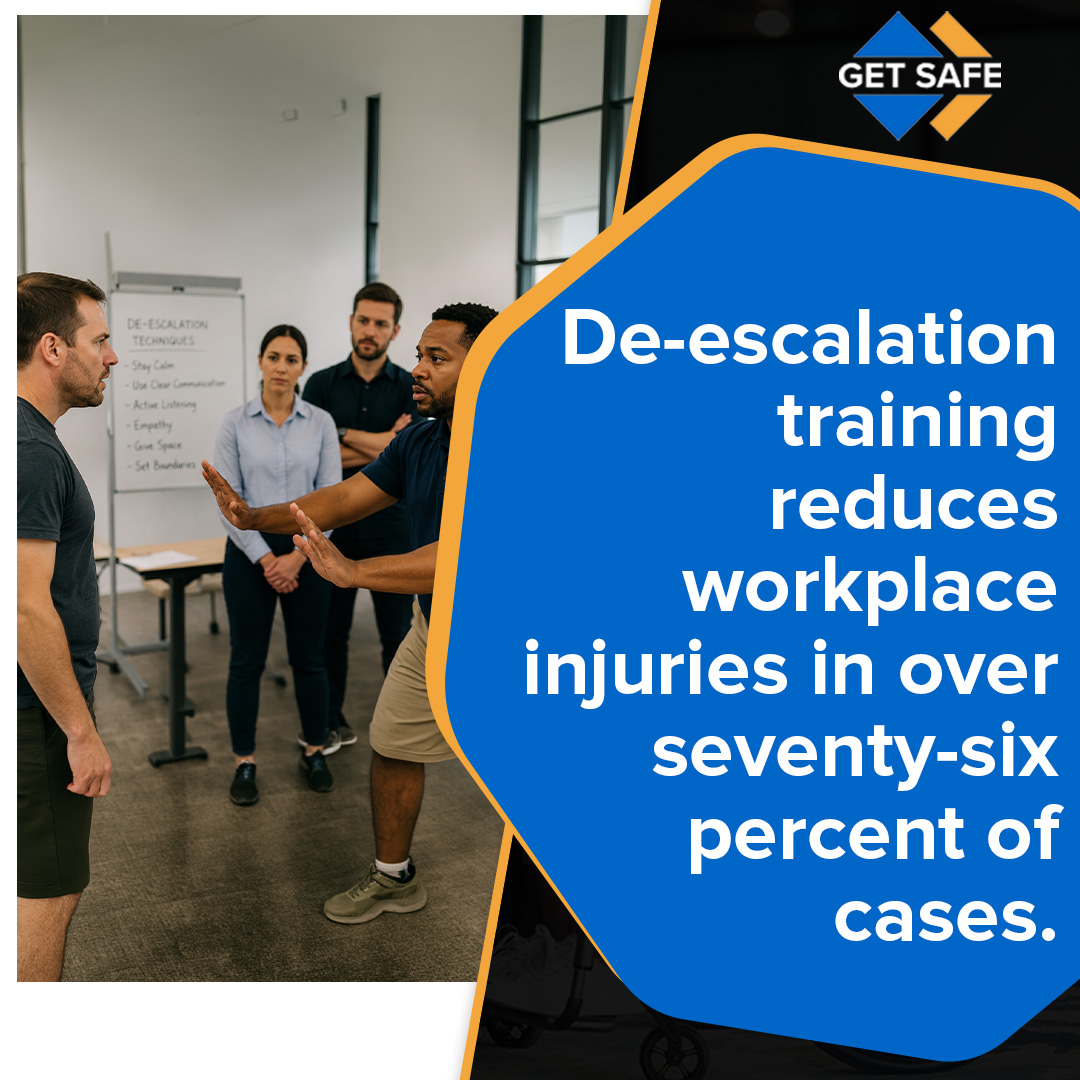
De-escalation training reduces risk by teaching staff how to read body language, lower their tone, and redirect a tense conversation before it turns physical.
We build our workplace safety training around real scenarios so employees practice these skills rather than just reading about them.
That practice matters most in the first sixty seconds of a conflict, when calm communication can change the outcome entirely.
Why Should LA Businesses Add Active Shooter Prevention Training?
Our active shooter prevention training focuses on the warning signs and planning gaps that come before an attack, not just the response during one.
For Los Angeles businesses, this means clear evacuation routes, staff who know how to report concerning behavior, and a plan practiced ahead of time.
Pairing prevention training with corporate safety training gives teams both the awareness to prevent an incident and the tools to respond if one occurs.
How Does Self-Defense Training for Women Support Workplace Safety?
Self-defense training for women equips them with awareness, communication, and protection skills to handle potential threats at work, during travel, or in client-facing roles.
At Get Safe, this training is part of a complete workplace safety strategy.
FAQ
Does California law require workplace violence prevention training?
Yes. Under SB 553, most California employers with 10 or more employees must maintain a written violence prevention plan and train employees on it starting in 2024.
How often should employees repeat workplace safety training?
Most safety professionals recommend annual refresher training, with additional sessions after any policy change, new hire onboarding, or reported incident.
Is de-escalation training useful for small businesses, not just large corporations?
Yes. Small teams often have fewer staff on-site during an incident, which makes de-escalation and reporting skills even more valuable per employee.

Take the Next Step Toward a Safer Workplace
Violence prevention and de-escalation are ongoing skills. At Get Safe, our team helps organizations build practical workplace safety plans through real-world corporate safety training designed to protect people.
Contact Get Safe at (714) 834-0050 or [email protected] to create a safety plan tailored to your team.